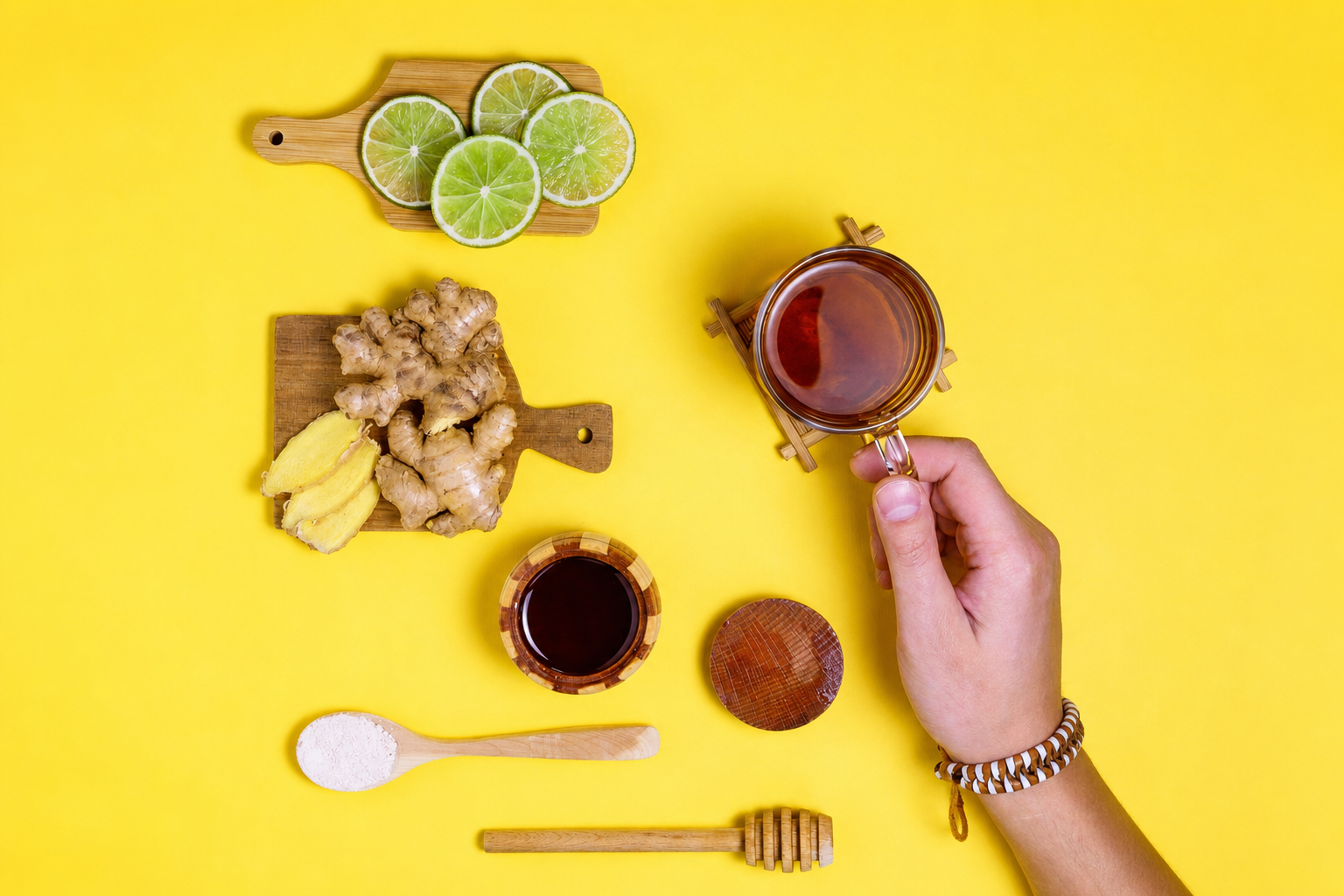
Honest, research-backed alternatives for when you want to support your body naturally and what to grow at home to have them ready.
There’s a moment most people haven’t thought about until it happens: Alternative to Antibiotics
You’re dealing with an infection. It’s 2am. The pharmacy is closed, a doctor’s appointment is three days out, or in a worst case scenario normal healthcare simply isn’t accessible.
What do you do?
For most of human history, people answered that question with plants. Not out of stubbornness, out of necessity. And the science behind many of those plants is more solid than you might expect.
This post covers 7 of the best amoxicillin natural alternatives that have genuine antimicrobial properties, what the research actually says, when they’re appropriate, and when they’re absolutely not a substitute for conventional treatment.
Important note: Natural antibiotics are not a replacement for prescription antibiotics in serious, life-threatening, or rapidly progressing infections. If you have a severe infection, high fever, spreading redness, or feel systemically unwell — seek medical care. This post is for people who want to be informed, prepared, and proactive about mild infections and prevention.
What Makes Something a Natural Antibiotic?
Before diving in, it helps to understand what we mean by “natural antibiotic.”
A true antibiotic kills or inhibits bacteria. Many plants produce antimicrobial compounds — substances that evolved to protect the plant from pathogens — that have similar (though generally less concentrated) effects in the human body.
The difference between a herbal antibiotic and a pharmaceutical one comes down to:
- Concentration — pharmaceuticals are standardized; plants vary
- Spectrum — some herbs are broad-spectrum, others target specific bacteria
- Bioavailability — how well your body absorbs and uses the compound
- Evidence base — some herbs have robust clinical research; others have mostly traditional use and in vitro (lab) studies
With that context, here are the 7 most well-supported natural alternatives.
1. Oregano Oil — The Heavy Hitter
Best for: Respiratory infections, sinus infections, gut infections, topical use
If there’s one herbal antibiotic that has earned serious scientific attention, it’s oil of oregano — specifically the compound carvacrol.
Multiple studies have shown carvacrol to be effective against a range of bacteria including E. coli, Staphylococcus aureus, and even some antibiotic-resistant strains. A 2013 study published in PLOS ONE found oregano oil effective against Staphylococcus, E. coli, Pseudomonas aeruginosa, and Klebsiella pneumoniae.
For natural antibiotics for sinus infections specifically, oregano oil is one of the most commonly used herbal options… its antimicrobial and anti-inflammatory properties make it relevant for upper respiratory and sinus issues.
How to use it:
- Oil of oregano capsules (standardized to 70%+ carvacrol) are the most reliable form
- Diluted in a carrier oil for topical use (never apply undiluted to skin)
- 2–4 drops in water or juice, 3x daily for short-term use
The honest truth: Oregano oil is genuinely potent. But “potent” also means it can disrupt your gut microbiome if overused — just like pharmaceutical antibiotics. Take it with a probiotic and don’t use it indefinitely.
2. Garlic (Allicin) — Nature’s Broad-Spectrum
Best for: Bacterial infections, fungal infections, immune support
Garlic has been used medicinally for over 5,000 years. The active compound allicin forms when raw garlic is crushed or chopped, and it has documented antimicrobial activity against a broad range of pathogens.
A notable study from Washington State University found that allicin was 100x more effective than two popular antibiotics at fighting Campylobacter bacteria (a common cause of food poisoning). That’s not a claim to take lightly.
Garlic as a natural antibiotic is most effective when:
- Used raw (cooking destroys allicin)
- Crushed and left to sit for 10–15 minutes before consuming (allows allicin to fully form)
- Taken consistently over several days
How to use it:
- 2–4 raw crushed cloves per day during infection
- Garlic-infused honey (a traditional preparation with synergistic effects)
- Allicin supplements for those who can’t tolerate raw garlic
3. Raw Honey (Especially Manuka) — The Natural Topical Antibiotic
Best for: Wound infections, skin infections, throat infections, natural Neosporin alternative
Honey as an antibiotic isn’t folk medicine — it’s used in clinical wound care. Medical-grade Manuka honey (UMF 10+ or higher) is approved for wound treatment in many countries.
Honey works through multiple mechanisms:
- Hydrogen peroxide — released slowly as an antimicrobial
- Low pH — creates an environment hostile to bacteria
- Osmotic effect — draws moisture out of bacterial cells
- Methylglyoxal (MGO) — unique to Manuka, potent antimicrobial compound
For people looking for a natural Neosporin alternative, raw honey applied to clean wounds is one of the most evidence-backed options available.
For internal infections like throat or gut, raw local honey has different (lower MGO) properties than Manuka but still offers meaningful antimicrobial and immune-supporting benefits.
How to use it:
- Apply directly to wounds, cuts, or skin infections; cover with a bandage
- 1 tablespoon raw honey in warm (not hot) water or tea for throat/sinus support
- Manuka honey for clinical wound care; raw local honey for general immune support
4. Colloidal Silver — Controversial but With a Track Record
Best for: Topical wound care, historically used for a range of infections
This one requires nuance. Colloidal silver has a long history of antimicrobial use — before pharmaceutical antibiotics existed, silver was the standard. Silver-coated wound dressings are still used in hospitals today.
The honest truth about colloidal silver:
In vitro research (lab studies) shows silver nanoparticles are effective against many bacteria, including MRSA. However, drinking colloidal silver internally is controversial — the FDA has stated it’s not recognized as safe or effective as an internal antibiotic, and excessive internal use can cause argyria (permanent skin discoloration).
Topically, it’s a different story — silver-based wound sprays and creams are legitimate and widely used.
How to use it responsibly:
- Topical use for wounds, infections, ear issues: reasonable and well-supported
- Internal use: approach with significant caution; consult a healthcare provider
5. Echinacea — The Immune Activator
Best for: Upper respiratory infections, early-stage infections, prevention
Echinacea is one of the most studied herbs for immune function. It doesn’t work exactly like an antibiotic — it works more by stimulating your immune system’s response to infection rather than directly killing bacteria.
For natural antibiotics for sinus and upper respiratory infections, echinacea shines — multiple meta-analyses show it can reduce the duration and severity of colds and upper respiratory infections.
The aha moment here: Echinacea is most effective at the first sign of infection — not after you’re fully sick. Most people use it too late.
How to use it:
- Tincture form is most bioavailable
- Use at the first sign of infection: sore throat, fatigue, early congestion
- Short-term use (7–10 days) is more effective than long-term daily use
- Take breaks — continuous use can desensitize your immune response
6. Turmeric (Curcumin) — Anti-Inflammatory Antimicrobial
Best for: Chronic infections, inflammatory conditions, gut health, skin infections
Curcumin, the active compound in turmeric, has documented antibacterial, antifungal, and antiviral properties. It’s particularly studied for its effects against H. pylori (a common stomach infection), oral bacteria, and skin pathogens.
What makes turmeric stand out as a natural antibiotic food is that it also tackles the inflammation that accompanies infection — something pharmaceutical antibiotics don’t address.
The bioavailability problem: Curcumin is poorly absorbed on its own. The solutions:
- Take with black pepper (piperine increases absorption by up to 2,000%)
- Take with a fat source (curcumin is fat-soluble)
- Use a liposomal or phytosomal curcumin supplement for best results
How to use it:
- Golden paste (turmeric + black pepper + coconut oil) is a traditional and effective preparation
- Curcumin supplements (500–1,000mg with piperine) for consistent dosing
- Topically as a paste for skin infections and wound care
7. Thyme — Overlooked but Potent
Best for: Respiratory infections, bronchitis, natural antibiotic for lung infection, oral health
Thyme contains thymol, a compound with potent antimicrobial properties. It’s the active ingredient in many commercial mouthwashes (including Listerine) — which gives you a sense of how well-established its antibacterial properties are.
For natural antibiotic for respiratory infection and lung infections specifically, thyme tea and thyme essential oil have shown meaningful efficacy. A German study found thyme-ivy syrup as effective as the pharmaceutical drug ambroxol for acute bronchitis.
How to use it:
- Fresh thyme tea: steep 2 tsp fresh thyme in hot water for 10 minutes
- Thyme essential oil (diluted) for topical or steam inhalation
- Thyme honey preparations for throat and respiratory support
The Keywords You Should Know: Matching Symptoms to Herbs
| Condition | Best Natural Options |
|---|---|
| Sinus infection | Oregano oil, echinacea, thyme |
| Tooth/dental infection | Clove oil, garlic, oregano oil |
| Skin infection | Manuka honey, turmeric, colloidal silver (topical) |
| Respiratory/lung | Thyme, oregano oil, echinacea |
| Bladder infection | D-mannose (not an herb but worth knowing), uva ursi |
| Gut infection | Garlic, oregano oil, berberine |
| Ear infection | Garlic oil (topical), oregano oil (diluted, topical) |
Here’s what doesn’t get said enough:
The best time to use natural antibiotics is before you need them.
Every single herb on this list works better as a prevention and early-intervention tool than as a last-resort treatment for a full-blown infection.
The people who get the most value from herbal antibiotics are the ones who:
- Know their options before an emergency
- Have the plants or preparations on hand — not scrambling to find a health food store at midnight
- Use them at the first sign of illness, not after day 3
Which brings us to the most practical question of all:
What If You Could Grow These Yourself?…
Oregano. Garlic. Thyme. Echinacea. Turmeric.
These aren’t exotic plants that require a greenhouse or specialized knowledge. They’re medicinal herbs that grow in most climates, in a backyard, a raised bed, or even containers on a porch.
Growing your own medicinal herbs means:
- You always have them — no supply chain, no store run, no out-of-stock
- They’re organic by default — you control what goes in the soil
- The potency is higher — freshly harvested herbs outperform dried supplements for many applications
- It’s part of genuine self-sufficiency — not just prepping, but living
If you want to start growing your own medicinal herb garden, the Medicinal Seed Kit includes the seeds for the most useful medicinal plants: the ones that address infections, inflammation, and immune support… with growing guides included.
It’s not about being anti-medicine. It’s about having options. Knowing what grows in your yard could treat. Being the person in your family who knows what to do.
When Natural Antibiotics Are NOT Enough
This is the most important section of this entire post.
Go to a doctor immediately if:
- Infection is spreading (red streaks, expanding redness)
- You have a fever over 103°F (39.4°C) that isn’t responding to treatment
- You feel systemically unwell — confusion, rapid heartbeat, difficulty breathing
- The infection is in or near your eyes, brain, or heart
- You have a compromised immune system
- Symptoms are worsening after 48–72 hours of natural treatment
- You’re treating a child under 2 years old
Natural antibiotics are a tool. Like any tool, they have a purpose and limits. The goal of true self-sufficiency isn’t to avoid medicine… it’s to understand your options clearly enough to make the right call.
Summary: The 7 Best Natural Amoxicillin Alternatives
- Oregano oil — broad-spectrum, especially for sinus and respiratory infections
- Garlic (allicin) — proven broad-spectrum, most effective raw
- Raw/Manuka honey — best natural topical antibiotic and Neosporin alternative
- Colloidal silver — topical use is well-supported; internal use requires caution
- Echinacea — best immune activator; use at first sign of illness
- Turmeric (curcumin) — antibacterial + anti-inflammatory; pair with black pepper
- Thyme — underrated respiratory and oral antibiotic
The most powerful thing you can do with this information is act on it before you need it. Know your herbs. Grow what you can. Stock what you can’t grow.
Start with your Medicinal Seed Kit →
Always consult a healthcare professional for serious infections. This post is for educational purposes and does not constitute medical advice.